About Holistic Nutritioin Holistic Nutrition Services New Clients to Holistic Nutrition Nutraceuticals Holistic Nutrition Calendar Path To Wellness Nutrition Reading Room Nutriton Resources Contact Us
Home

Reading Room

Crimson Beet

by Tammera J. Karr, PhD

Fall and early winter are the time of year root crops like carrots, turnips and beets come into their own. I never have thought much about beets… the only thing I found appealing about them was their exquisite crimson red color.   This year however I decided to look at this root food a little closer and here is some of what I found.

Beets, are native to the Mediterranean. Although the leaves have been eaten since before written history, the beet root was generally used medicinally and did not become a popular food until French chefs recognized their potential in the 1800′s.

Beet powder is used as a coloring agent for many foods. Some frozen pizzas use beet powder to color the tomato sauce, as well as jams, jellies, juices and soups. It is estimated that about two-thirds of commercial beet crops end up canned.[1]

There are four main beet types: the garden beet, whose root and leaves are eaten as a vegetable; the sugar beet; the mangel-wurzel, which is stored and used for livestock feed; and Swiss chard, which is cultivated for its edible leaves. About thirty percent of the world’s sugar production comes from sugar beets.

Beet remains have been excavated in the Third dynasty Saqqara pyramid at Thebes, Egypt, and four charred beet fruits were found in the Neolithic site of Aartswoud in the Netherlands. The earliest known written mention of the beet comes from eighth century B.C.E. Mesopotamia, Roman and Jewish literary sources indicate domestication by 1st century B.C.E., domestic beet was represented in the Mediterranean basin by leafy forms (chard) and very probably also by beetroot cultivars.

The Romans used beetroot as a treatment for fevers and constipation, and considered beetroot juice to be an aphrodisiac. Beets are a rich source of the mineral boron, which plays an important role in the production of human sex hormones.  Apicius in De re coquinaria, gives five recipes for soups to be given as a laxative, three of which feature the root of beet. Hippocrates advocated the use of beet leaves as binding for wounds. From the Middle Ages, beetroot was used as a treatment for illnesses relating to digestion and the blood.

In 1747, German chemist Andreas Marggraf identified sucrose in beet root and eventually his student Franz Achard built a sugar beet processing factory at Cunern in Silesia. This plant operated from 1801 until it was destroyed during the Napoleonic Wars. Napoleon, banned sugar imports in 1813. This cut off supplies of sugar produced from sugar cane to much of Europe. The beet sugar industry emerged and thrived.[2]

Today the beetroot is championed as a universal panacea. One of the most controversial examples is the official position of the South African Health Minister on the treatment of AIDS. Dr Manto Tshabalala-Msimang, Health Minister under Thabo Mbeki, had been nicknamed “Dr Beetroot” for promoting beets and other vegetables over antiretroviral AIDS medicines, which she considers toxic.[3]

Beets contain vitamin C, while the leaves are an excellent source of vitamin A. Beets are among the sweetest of vegetables, containing more sugar than carrots or sweet corn. The content of sugar in garden beet is 10 percent, in the sugar beet it is typically 15 to 20 percent.

Another nutrient in beets is betaine, named after its discovery in sugar beets in the nineteenth century. This nutrient is benificial for the cardiovascular system. Betaine supplements, manufactured as a byproduct of sugar beet processing, are prescribed to lower potentially toxic levels of homocysteine, a naturally occurring amino acid that can be harmful to blood vessels thereby contributing to the development of heart disease, stroke, and peripheral vascular disease.

Blood Pressure: An American Heart Association study indicates that drinking 500 milliliters of beet juice can measurably reduce blood pressure within one hour after drinking it. This effect is measurable for 24 hours.

Cancer: In Europe, beets are commonly used to treat cancer. They contain an antioxidant, betacyanin, which both inhibits tumor growth and prevents the formation of cancer-causing nitrosamines.

Digestion: Beet root is high in both soluble and insoluble fiber, which aid in the proper function of the digestive system. Because of the high levels of fiber, beet root is used as a treatment for constipation.[4]

An average sized cup (225.8 grams) of sliced beets will contain:

31 Calories – Carbohydrate 8.5 g

Dietary fiber 1.5 g

Folate 53.2 µg

Phosphorus 32 mg – Potassium 259 mg

Protein 1.5 g

èBeets, like kale, spinach, carrots, and turnips, can be a source of nitrates and should not be fed to infants under 6 months of age. All parts of the beet plant contain oxalic acid. Beet greens and Swiss chard are both considered high oxalate foods which have been implicated on the formation of kidney stones.[5]

The color of red beetroot is due to a purple pigment betacyanin and a yellow pigment betaxanthin, known collectively as betalins.  Beetroot cells are quite unstable and will “leak” when cut, heated, or when in contact with air or sunlight. Leaving the skin on when cooking, will maintain the integrity of the cells and minimize leakage. Betacyanin in beetroot may cause red urine and feces in some people who are unable to break it down.

So all in all we find natural foods like beets are not only loaded with nutrients and provide health benefits in the forms of vitamins, minerals and antioxidants – just don’t let the government know or they will ban them as unlicensed drugs.  I don’t encourage diabetics to consume beets because of the high sugar content. But if you love this food, eat it in moderation with lots of other healthy foods. Then get up and go for a walk to burn the sugar off.


[1] Beet (Beetroot) History – Beets as a medicine and food coloring – By Peggy Trowbridge Filippone, About.com Guide

[2] http://www.newworldencyclopedia.org/entry/Beet

[3] http://www.newworldencyclopedia.org/entry/Beet

[4] http://www.ehow.com/facts_5951550_medicinal-use-beet-root.html

[5] http://en.wikipedia.org/wiki/Beet

Breast Cancer

by Tammera J. Karr, PhD.

This article is dedicated to those of my clients who are daily living with breast cancer and the health options made available to them. All of them have faced their fears with courage, proving that women are far from being the weaker sex.

“Courage is the art of being the only one who knows you’re scared to death!” – Earl Wilson

What is Breast Cancer?

Breast cancer is a disease in which malignant (cancer) cells form in the tissues of the breast. It is considered a heterogeneous disease—differing by individual, age group, and even the kinds of cells within the tumors themselves. Fortunately hearing the words “breast cancer” doesn’t always mean an end. It can be just the opposite – a beginning – an opportunity to find strength you never knew you had, – a time of assessment on what you really want and believe, and most importantly a time to take charge and find hope.

Women in the United States get breast cancer more than any other type of cancer except for skin cancer. It is second only to lung cancer as a cause of cancer death in women. Many researchers believe this is partly due to the increased use of synthetic hormones and xenoestrogen exposure for the baby-boomer generation and those who have been born since.

  • Each year nearly 200,000 women will be diagnosed with breast cancer, and more than 40,000 will die.
  • Approximately 1,700 men will be diagnosed with breast cancer and 450 will die.

“When you do nothing, you feel overwhelmed and powerless. But when you get involved, you feel the sense of hope and accomplishment that comes from knowing you are working to make things better. ” - Maya Angelou

The lymph system is one of the main ways in which breast cancers can spread. Lymph nodes are small, bean-shaped groups of immune system cells that fight infections.  Breast cancer cells can enter lymphatic vessels and begin to grow in lymph nodes, forming tumors.

Types of breast cancers

There are many types of breast cancer, some are very rare. A breast tumor can be a mix of types or a mixture of invasive and in situ cancer.

Ductal carcinoma in situ (DCIS): This is the most common type of non-invasive breast cancer. DCIS means that the cancer is only in the ducts. It has not spread through the walls of the ducts into the tissue of the breast and so cannot spread to lymph nodes or other organs. Nearly all women with cancer at this stage can be cured.

Lobular carcinoma in situ (LCIS): This is not a true cancer.

Invasive (or infiltrating) ductal carcinoma (IDC): This is the most common breast cancer. It starts in a milk passage (a duct), breaks through the wall of the duct, and invades the tissue of the breast. From there it may spread (metastasize) to other parts of the body. It accounts for about 8 out of 10 invasive breast cancers.

More women are choosing to not undergo chemo or radiation for this type of cancer as those treatment methods increase the risk of secondary cancers. The best odds are with a mastectomy – removal of the breast and diet / lifestyle changes. Fortunately this is not as horrifying as it was only a few years ago and reconstructive surgery is available.

“A woman’s breasts do not make her who she is, they are only one part of the dynamic being she is. The love and respect a woman receives has to do with the latter not her breasts.” – Tammera Karr

Invasive (infiltrating) lobular carcinoma (ILC): This cancer starts in the milk glands then can spread to other parts of the body. About 1 in 10 invasive breast cancers are of this type.

Inflammatory breast cancer (IBC): This uncommon type of invasive breast cancer accounts for about 1% to 3% of all breast cancers. Usually there is no single lump or tumor. Instead, IBC makes the skin of the breast look red and feel warm. It also may make the skin look thick and pitted, something like an orange peel. The breast may get bigger, hard, tender, or itchy.

In its early stages, inflammatory breast cancer is often mistaken for infection. Because there is no defined lump, it may not show up on a mammogram. It has a higher chance of spreading and a worse outlook than invasive ductal or lobular cancer.

What can be done?

Many will tell you to have frequent breast exams, ultrasounds, thermograms and mammograms, but as family nurse practitioner Mary Hagood has frequently said “that is all early detection not prevention, there is so much more a woman can do to lower her risk.

  1. Take control of your stress – get rid of the energy vampires and leaches draining you. Stress is responsible for more illness than any one other cause.
  2. Clean up your diet; eat only organic locally grown fruits, vegetables and meats. Stay away from foods that drive up estrogens like flax, soy and processed foods. Don’t forget about your water, many areas have contaminated ground water, DO NOT assume your city or well water is safe. Pharmaceutical drugs are not tested for or removed from city water…. You may be getting the neighbor’s birth control pills in your morning coffee.
  3. Do a liver and bowel detox. If this is overlooked when you begin losing body fat you will be flooding your cells with potential cancer causing chemicals again.
  4. Lose body fat – fat is where harmful Xenoestrogens and carcinogens are stored. Eat only natural healthy fats found in organic foods.
  5. Do exercises that help the lymph system drain – mini tramps, jump rope, massage, horseback riding, dancing…etc.
  6. Clean the plastics out of your kitchen, use only glass and stainless steel / cast-iron cookware made in America.
  7. Don’t be cheap on your nutritional supplements; your life is worth the very best.
  8. BE PROACTIVE – do your research, learn about natural options, and ask questions. No matter what a woman chooses to do she needs to make that decision based on facts not fear.


To your Good Health.

A New Kind Of Vegetable?

by Tammera J. Karr, PhD

On many evenings I listen to NPR news while driving part of the way home, this means twice a week I hear the news and invariably it takes me the rest of the week to get my blood pressure under control. This last Tuesday I learned the reasons why one should not be drinking hot beverages while driving and listening to the news.

As I navigated down the road, I heard the following statement, “Who needs leafy greens and carrots when pizza and french fries will do?” at this point I was drawing warm liquid in and promptly shot it out my nose onto the steering wheel, as a burst of laughter took me, before I realized the reporter was serious. !

The NPR reporter went on to say – “The final version of a spending bill released late Monday would unravel school lunch standards the Agriculture Department proposed earlier this year.  The bill also would allow tomato paste on pizzas to be counted as a vegetable, as it is now. USDA had wanted to only count a half-cup of tomato paste or more as a vegetable, and a serving of pizza has less than that.”

Now I know –  I am somewhat of a “health” food nut job, but really are we still wasting tax payers money and time during this economically challenging times discussing whether pizza and French fries count as healthy vegetables for our kids to be eating? And every nutrition blog site on the web is going on about the absurdity of it and it’s reminiscent of the Reagan administration’s attempt 30 years ago to classify ketchup as a vegetable to cut costs.  As much as many regard President Regan with high esteem, even his administration made a few blunders. (send all hate mail to the editors)

One of the major differences this time around is the power of the food industry lobbyists, paid hundreds of thousands to promote an industry agenda regardless of the common sense of the matter. This time around, food companies that produce frozen pizzas for schools, the salt industry and potato growers  are pushing the changes in Congress. “School meals that are subsidized by the federal government must include a certain amount of vegetables, and USDA’s proposal could have pushed pizza-makers and potato growers out of the school lunch business.” Do they really believe it is necessary to reclassify Pizza and French fries in order to secure their profit margin?

According to the NPR article and several other news sites, “some conservatives argue that the federal government shouldn’t tell children what to eat.” I agree it is called responsible parenting, these foods were reserved for special occasions when I was a teen in the 80’s, they were costly and understood to be an indulgence by my working parents. My husband’s homemade lunches were so horrible, he had a waiting list of classmates who wanted to buy it from him. And our son, was terribly abused, he was forst to learn to eat real food too.

In a summary of the bill, Republicans on the House Appropriations Committee said the changes would “prevent overly burdensome and costly regulations and …provide greater flexibility for local school districts to improve the nutritional quality of meals.” Once again why is this not a matter for local school board to decide, not the federal government?

“The Senate last month voted to block the potato limits in its version, with opposition to the restrictions led by potato-growing states. Neither version of the bill included the latest provisions on tomato paste, sodium or whole grains; House and Senate negotiators added those in the last two weeks as they put finishing touches on the legislation.” The really sad part about all this is the dumbing down of our nations children through poor nutrition that ultimately leads to skyrocketing healthcare costs and early death.

Nutrition advocate Margo Wootan of the Center for Science in the Public Interest said  of Congress, “They are making sure that two of the biggest problems in the school lunch program, pizza and french fries, are untouched,” and a  group of retired generals advocating for healthier school lunches also criticized the spending bill.

The group, called Mission: Readiness, has called poor nutrition in school lunches a national security issue because obesity is the leading medical disqualifier for military service.

“We are outraged that Congress is seriously considering language that would effectively categorize pizza as a vegetable in the school lunch program,” Amy Dawson Taggart, the director of the group, said in a letter to lawmakers before the final bill was released. “It doesn’t take an advanced degree in nutrition to call this a national disgrace.”

Amen to that – and I do have an advanced degree in nutrition.

According to online news sources, the bill would:

“— Block the Agriculture Department from limiting starchy vegetables, including corn and peas, to two servings a week. The rule was intended to cut down on french fries, which many schools serve daily.

— Allow USDA to count two tablespoons of tomato paste as a vegetable, as it does now. The department had attempted to require that only a half-cup of tomato paste could be considered a vegetable. Federally subsidized lunches must have a certain number of vegetables to be served.

— Require further study on long-term sodium reduction requirements set forth by the USDA guidelines.

— Require USDA to define “whole grains” before they regulate them. The USDA rules require schools to use more whole grains.

Food companies who have fought the USDA standards say they were too strict and neglected the nutrients that potatoes, other starchy vegetables and tomato paste do offer. (And what do these foods do for the obesity, diabetes and cholesterol epidemic in our youth?)

The school lunch provisions are part of a final House-Senate compromise on a $182 billion measure that would fund the day-to-day operations of the departments of Agriculture, Commerce, Justice, Transportation and Housing and Urban Development. ”


At it Again-be Warned

by Tammera J. Karr, PhD, BCHN, BCIH

I look forward to the holidays, my efforts to provide you with warm uplifting holiday cheer however is on hold this week as our illustrious congressmen are at it again – hoping we are all having dreams of health freedom dancing in our heads while we sleep.

Senator Dick Durbin and Congressman Henry Waxman are trying a new tactic in their attack on supplements after previous legislative failures. They have asked the Government Accountability Office (GAO) to review adverse event report data—but only for supplements. The GAO operates at the call of Congress, so some action on this request is inevitable.

In a statement, Sen. Durbin said, “The FDA has the tools necessary to determine which supplements can cause and have caused severe health problems—they should use them effectively.”

There is no evidence that legitimate supplements, that comply with existing law, have caused severe health problems. What the FDA needs to do is enforce existing law, not muddy the waters with continued bad policy, bureaucracy and ineptness.

The Alliance for Natural Health editorial posted on November 22, 2011- “Durbin’s idea that the FDA has the expertise to evaluate all supplements is pure fantasy. They aren’t set up for it and would fail even if they were. The agency is biased against supplements, it wants them to go through the drug approval process and thereby contribute to the agency’s budget. The end result of this mindset will simply be to clear the shelves of supplements.”

Just look at the number of adverse events reported (AER) for vaccines and drugs for 2008 alone:

  • Supplements: 1,080 adverse events, of which 672 were considered serious;
  • Vaccines: 26,517 adverse events, of which 3,923 were considered serious;
  • Prescription drugs and “therapeutic biologics”: 526,527 adverse events, of which 275,421 “had serious outcomes.”

What may be considered an adverse event for one category may not be for another. If an FDA-approved drug has listed in the product labeling that it can cause fainting or nausea, chest pains or seizures, then it is considered to be within the range of expected outcomes.

USA Today noted, when it comes to supplements, what the FDA considers an adverse event can be “anything from a concern that a supplement isn’t working to a serious illness that follows consumption.”

What is clear is there are over 487 times more AERs for FDA-approved prescription drugs than for supplements, and 409 times more serious events for drugs than supplements. And Durbin thinks it’s supplements that are endangering the public?

The lack of attention to vaccine AERs is criminal, Alliance for Natural Health (http://www.anh-usa.org) reported the cover-up of HPV vaccine adverse events in the fall of 2011. The Institute of Medicine says it will only look at peer-reviewed research on vaccine AERs, but won’t sponsor any. They then conclude that vaccines like the dangerous HPV shots are “safe” because there is no “evidence” otherwise. “Huh, really are you serious?”

FDA positioning to incorporate European Union dietary regulations

In many areas of health practice and education, the European model is greatly restricted when compared to the US model. This means we can look to what has already happened in Europe to understand the consequences of the laws and regulations proposed here in the United States, as the laws and regulations often mimic those already in place in in the European Union.

KEY POINTS

  1. Natural healthcare, most especially herbal medicine, is under fire in Europe at the moment. The losers in this process are the smaller players who have long been at the forefront of providing the most therapeutically relevant natural products.
    1. The FDA has been getting closer to the European authorities, they have worked together as the two most powerful entities in the Codex Alimentarius for many years. On July 2, 2007, the FDA signed a key agreement for scientific cooperation with the controversial European Food Safety Authority (EFSA).
    2. The Novel Foods Regulation in Europe requires pre-market approval for foods or food ingredients not used ‘significantly’ in the EU before 15th May 1997; and the Food Supplements Directive limits choice in food supplements and aims to reduce the maximum dosage of those remaining to levels that do nothing except prevent gross deficiency.
    3. In the USA– Dietary supplements are regulated by the Dietary Supplement Health and Education Act (DSHEA) of 1994. DSHEA has yet to be fully implemented, came about following the largest popular mobilisation against Congress ever seen in the USA. A pre-market authorization system, like the THMPD, would create an impossible obstacle for smaller companies.
  2. The Trilateral Cooperation Charter
    1. The Charter was established in 2004 and signaled the intent of the USA, Canada and Mexico to combine their efforts in a trade protection bloc, focused primarily not on facilitating trade, but cracking down on “drugs, biologics, medical devices, food safety, and nutrition.”

After some 700 products were forced off the market, and the public and campaign groups started objecting, the FDA has withdrawn the Charter’s website.

The FDA constructed an incredibly broad definition of health fraud. Obvious targets are products that compete with pharmaceuticals because they are effective.

Health Fraud Definition [from the Trilateral Cooperation Charter]

The false, deceptive, or misleading promotion, advertisement, distribution, sale, possession for sale, or offering for sale of products or provision of services, intended for human use, that are represented as being safe and/or effective to diagnose, prevent, cure, treat, or mitigate disease (or other conditions), to rehabilitate patients or to provide a beneficial effect on health.    Source: FDA, 2006

Regulators worldwide are working increasingly together, it’s no surprise we can expect increasing convergence in regulatory systems. This is what globalisation is, and it’s all about making the environment as cosy as possible for the biggest corporate players. Big Pharma, Big Food and Big Biotech are among the masterminds of this system.

Even though it is the holiday season, don’t let yourself be lulled into fantasia – the most valuable gift you ever receive is your health, it is your responsibility to protect it. Write your representatives before the end of 2011 voicing your opinion on what is happening to your health rights.

Yule Tide Nummies

By Tammera J. Karr, PhD, BCHN, BCIH

As with most, our family has traditional holiday foods we look forward to, on Christmas eve my mother would serve oyster stew, and on new year’s it was black-eyed peas and ham for good luck. Others in my family may have made tamales like my great aunt, using her mother’s recipes. All of us have foods that inspire warm memories or tears; it is food that invokes memories through taste, smell and color. Without a doubt we are proud of our American rights, but we also use the holidays to remember who came before us and what gifts they brought with them that flavor the season.

Gingerbread

The cake like consistency of gingerbread bears little resemblance to bread, it was originally, in the thirteenth century, gingerbras, a word borrowed from Old French which meant ‘preserved ginger’. But by the mid-fourteenth century,…-bread had begun to replace -bras, and it was only a matter of time before sense followed form. (sorry I can’t help but laugh as I know a few of you will have way to much fun with the bras …hohoho) One of the earliest known recipes comes from the early fifteenth-century cookery book Good Cookery, and directs gingerbread be made with breadcrumbs boiled in honey with ginger and other spices. [1]

“…most early American cookies were referred to as “cakes,” and gingerbread was assumed to be a form of cookie, as in Lebkuchen, a gingerbread cookie made with honey…Of all the Christmas pastries, the gingerbread cookie was the most loved by early American children. In American cookery, there are two distinct families of gingerbread cookies, the honey-based gingerbreads of Middle European origin–mostly Germany–and the molasses shortbreads that developed in England or Scotland. The other developed in the late seventeenth century, using molasses as a substitute for honey…The Germans in this country were the best honey cake bakers–they called the cookies Lebkuchen.”[2]

Mincemeat

According to food historians, mincemeat pie dates back to Medieval times. In the Middle Ages and into Renaissance times and beyond it was commonplace to spice up or eke out meat with dried fruit, and it seems likely that the earliest mincepies contained a generous measure of such raisins, and currants. The recipe did, indeed, include meat as did the mincemeat I grew up with; my mother would only use venison and suet; today I leave out the suet and dried fruit and use thickened apple juice, sliced apples, blueberries and currents. It also often contained dried fruits, sugar, and spices, as was the tradition of the day. The distinction between mincemeat and mince was drawn in the mid-nineteenth century when meat began disappearing from the recipe, leaving the fruit, nut, sugar, spice, brandy and suet product we know today.[3]

Oyster Stew

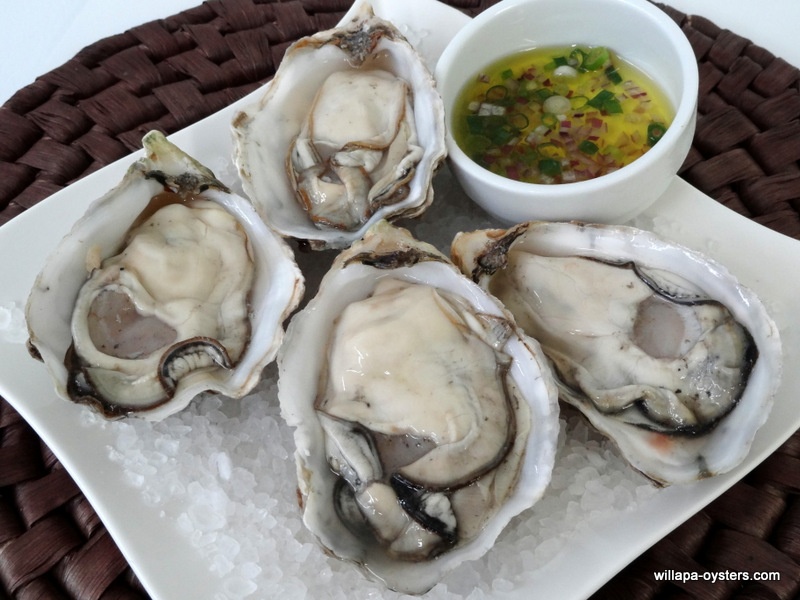
Fish (including shellfish) plays a critical role throughout the Christian calendar. “Meatless” day/periods were proscribed from ancient times forward for practical reasons: they regulated small early meat supplies and unified church members. For traditional Catholics in most countries, Christmas Eve, as with Lent, features fish. In Italy, the traditional Christmas Eve table features Seven Fishes. Baccala (salt cod).  Oyster Stew is part of the Irish Christmas Eve tradition. Oyster dishes of all sorts are regularly found on French tables so it is conceivable that oyster stew is a French tradition also with Northern French cuisine features many creamy, butter soups and stews. Until recently (last half of the 20th century forwards), oysters were commonly consumed, especially by people living close to ocean shores.

On Christmas Eve, many ethnic cultures enjoy seafood to save their appetites for Christmas Day dinner, according to food historian John Mariani. But oyster stew also is uniquely Celtic because it is a holiday connection to the old country — an Irish-American adaptation of a traditional Christmas Eve stew that was made in Ireland with a chewy Atlantic fish called ling. The ling was stewed with milk (or buttermilk), parsley, salt and pepper because it was tough. It was similar in texture and flavor to the prized oysters that were an autumn delicacy of the Irish gentry.

When the Irish began flocking to North America during the Great Potato Famine, during the 1840s and 1850s, they couldn’t find ling in American fish markets. So they picked oysters to remind them of their families and Ireland on Christmas Eve. Americans, in general, were “oyster mad” in the 1800s, according to Mariani. Oysters were plentiful and were a big part of urban life, especially in East Coast cities where hundreds of thousands of Irish immigrants settled.[4]

Egg nog

The name egg nog and recipes for it first appear in print in the 17th century. Food historians confirm English recipes for posset (esp. sack posset) were very similar to later egg nog a popular and accepted American term to denote an old traditional English holiday beverage. “By the mid-1760s patrons were drinking eggnog, juleps, sling and sanger in addition to the punch and toddy already available.”

In 1796, “Rich and creamy dessert drinks, such as eggnog and syllabub, reflect the English heritage in America, especially in the South. In England posset was a hot drink in which the white and yolk of eggs were whipped with ale, cider, or wine. Americans adapted English recipes to produce a variety of milk-based drinks that combined rum, brandy, or whiskey with cream. The first written reference to eggnog was an account of a February 1796 breakfast at the City Tavern in Philadelphia. Beginning in 1839 American cookbooks included recipes for cold eggnogs of cream, sugar, and eggs combined with brandy, rum, bourbon, or sherry, sprinkled with nutmeg. Southerners enjoyed a mix of peach brandy, rum, and whiskey.”

The earliest reference to eggnog cited in the Oxford English Dictionary is from 1825. The beverage is defined as “A drink in which the white and yolk of eggs are stirred up with hot beer, wine, or spirits.”

‘Nollaig faoi shéan is faoi shonas duit.’

A prosperous and Happy Christmas to You.


[1] An A-Z of Food & Drink, John Ayto [Oxford University Press:Oxford] 2002 (p. 142)

[2] The Christmas Cook, William Woys Weaver [Harper Perennial:New York] 1990(p. 102-4)

A Very Merry Christmas to all and Blessings in the New Year

[3] An A-Z of Food and Drink, John Ayto [Oxford University Press:Oxford] 2002 (p. 214)

[4] http://www.foodtimeline.org/foodsoups.html#oysterstew

Paying the Price

by Tammera J. Karr, PhD

I made the mistake of checking the news – are you ready? It all started with my receiving the October LifeExtention magazine (lef.org) and reading William Faloon’s article on “How Regulation of Medicine is Bankrupting the United States”. Next came an insightful conversation with my Aunt, we should all learn from our elders.

During this conversation we talked about how the “New Deal” put into place by FDR had its good points and bad – but no matter how we shake the tree – we are now paying for the New Deal, that is no deal. Medicare, Unemployment Insurance, Social Security and Welfare are just a few ingredients in the rotten apple dish being fed to us. And all of them are being mismanaged by congress – If you or I managed company funds the way congress does we would be in jail for miss-appropriation and fraud.

Another organization worthy of mention is Alliance for Natural Health USA (anh-usa.org), along with LifeExtention, ANH has been whistle blowing on the hypocrisies of congress and the FDA for years now.

William Faloon’s book called “Pharmocracy” (available through LifeExtention Foundation), outlines the cost of over-regulation of prescription drugs and the growing cost to the Medicare system. Here are some of the numbers that made me set-up and take notice. The most recent estimate of Medicare’s unfunded medical liability is $24.6 trillion. The total federal tax revenues taken in annually which include Medicare premiums are around $2 trillion. This means the Medicare trust fund will be bankrupt five years sooner than projected twelve months ago.

As the short sightedness of our federal government is so apt to do, it is not taking into account the skyrocketing costs for drugs approved by the FDA, they are currently costing around $100,000 per patient. Lady’s and gentlemen, while you have been distracted by the puppet show – you have been robbed. “We have all been deceived by those who confuse regulation with beneficial outcome and medical progress”, writes William Faloon in his October commentary. It is not about how a regulation will protect the public, but of how it can financially benefit a special interest.

Pharmacutical companies have spent tens of millions of dollars persuading the FDA to re-classify nutrients like B6 as prescription drugs for their economic benefit. With the re-writing of FDA guidelines and the implementation of CODEX in 2012, hang on, because you are about to be robbed at gun point, instead of your pockets picked artfully. The artificially inflated cost of prescription drugs driven by pharmaceutical companies and the FDA , could easily cost the Medicare system over $300 billion each year for one bio-Identical hormone like testosterone that benefits millions of older men in America, and available through compounding pharmacists for a fraction of the cost of the approved drug company versuion.

The ANH, reported on the FDA’s sudden ban of bio-identical hormone estriol in January 2008, “the FDA issued several warning letters to compounding pharmacists prohibiting the compounding of medications with estriol—a bio-identical estrogen produced naturally by a woman’s body—unless the pharmacist has a valid investigational new drug application on file with the FDA. This action was simultaneous to the FDA’s response to a Citizen Fair Trade Petition filed by Wyeth Pharmaceuticals, the maker of the synthetic hormone replacement drugs Premarin and Prempro. This action was not about safety to the public but about the all-mighty dollar and who was getting it.

In March 2011, ANH again reported on the “efforts of the FDA to stop compounding pharmacists from making the bio-identical hormone progesterone, approved over fifty years ago — which doctors have been prescribing for patients with high-risk pregnancies — 17-hydroxyprogesterone caproate (progesterone) was designated by the FDA an “orphan drug.” Now KV Pharmaceutical has been given the exclusive right of production and sale (and drug trial tax breaks). They immediately raised the price from $10 per dose to $1,500—simply because they could”.

This newest FDA brain fart has doctors, US senators, and even the March of Dimes in an uproar!  Besides the grave jeopardy placed on mothers and their infants, this will create an enormous financial burden for health insurance companies, private citizens, and government programs pay for care. And because of increased birth complications, these babies will need to be hospitalized for perhaps months and, for low-income mothers, all at the expense of taxpayers. Research shows these children will be at greater risk for, asthma, bronchitis, and pneumonia, running the bill needlessly up for tax payers even higher.

The Prescription Drug User Fee Act (PDUFA) authorizes the FDA to collect fees from companies, allegedly to fund and expedite the drug approval process….Really are you sure?   The law enacted in 1992, is due for renewal September 2012.  According to the FDA, drug companies provide fully 60% of the FDA’s drug review costs—which means the FDA’s review and regulation of pharmaceutical drugs is largely funded by the drug companies under review.

The FDA has been negotiating a raise in the FDA “user” fees since July 2010; in fact, Big Pharma has already agreed to a 6% increase in fees for new drugs through 2017. The increase is expected to produce an additional $40.4 million in user fee revenue in fiscal 2012, bringing the fiscal 2013 total to $712.8 million. (snide remark not printable)

If any of this makes you wonder like it has me, I encourage you to join either or both of the watch dog organizations I’ve mentioned in this article. Remember none of us are entitled to anything but death – and it appears our government is more than willing to make sure it is a paupers grave waiting for us.

To your good health

Preservation

by Tammera J. Karr, PhD

Growing up in rural America you find yourself aware of the self-sufficiency of your neighbors. Especially as the dog days of summer weighing into the vivid days of autumn, the need to dry, freeze and can, becomes as evident as the seasonal changes.

Food preservation is a sign of independence, preparation and for some freedom. I like knowing where my food has come from, what is on it and how it has been handled; as you already know I’m a bit of a health nut and object to wasting my money on poor quality foods ladened with chemicals.  But what is the best food preservation method? Well there are countless resources out there from your grandmother to the local extension agent. And there are more than a few ideas that make even me shake my head.  Let’s put it this way – If your using your dishwasher to can fruits, STOP IT.

Preservation of food permeated every culture at nearly every moment in time. To survive ancient man had to harness nature. In frozen climates he froze seal meat on the ice. In tropical climates he dried foods in the sun. In moderate climates he smoke cured meats over a fire.

And the FDA says we have no Innate Right to select our food…. But I regress.

Food by its nature begins to spoil the moment it is harvested. Food preservation enabled ancient man to live in one place and form communities, and cultures. Each culture preserved their local food sources using the same basic methods of food preservation. Middle East and oriental cultures actively dried foods as early as 12,000 B.C. in the hot sun.

The Romans were particularly fond of any dried fruit they could make. In the Middle Ages purposely built “still houses” were created to dry fruits, vegetables and herbs in areas that did not have enough strong sunlight for drying. A fire was used to create the heat needed to dry foods and in some cases smoking them as well.

Preservation with honey or sugar was commonplace in the earliest cultures. In ancient Greece quince was mixed with honey, dried somewhat and packed tightly into jars. The Romans improved on the method by cooking the quince and honey producing a solid texture. Whalla jam! The same fervor of trading with India and the Orient that brought pickled foods to Europe brought sugar cane, housewives learned to make preserves—heating the fruit with sugar.

The earliest curing was actually dehydration. Early cultures used salt to desiccate foods. Salting was common and even culinary by choosing raw salts from different sources (rock salt, sea salt, spiced salt, etc.). In the 1800’s it was discovered certain sources of salt gave meat a red color instead of the usual unappetizing grey. In this mixture of salts were nitrites (saltpeter). As the microbiology of Clostridium botulinum was reviled in the 1920’s nitrites were found to inhibit this organism. The FDA does not approve the curing of foods with table salt – that is why your favorite jerky or lunch meat contains sodium nitrates and nitrites.

Fermentation not only preserves foods, it creates more nutritious, palatable foods from less than desirable ingredients. Microorganisms responsible for fermentations produce vitamins as they ferment.  The skill of ancient peoples to observe, harness, and encourage these fermentations are admirable and humbling – they had an ability to reason and simply believe, we seem to have lost. Anthropologists believe mankind settled from nomadic wanderers into farmers to grow barley for the making of beer in 10,000 BC.

Any geographic area that had freezing temperatures for even part of a year made use of the temperature to preserve foods. Less than freezing temperatures were used to prolong storage times. Cellars, caves and cool streams were put to good use for that purpose. In America communities built icehouses to store ice and food on ice. Soon the “icehouse” became an “icebox”. In the 1800’s mechanical refrigeration was invented and quickly put to use. In the late 1800’s Clarence Birdseye discovered quick freezing at very low temperatures made for better tasting meats and vegetables. (Freezing preserves the most nutrients in foods as well as enzymes.)

Canning is a process were foods placed in jars or cans is heated to a temperature that destroys microorganisms and inactivates enzymes. (remember no enzymes no life, canning is the least beneficial method for nutrient content – but one of two method available to use without electricity) This heating and later cooling forms a vacuum seal. The vacuum seal prevents other microorganisms from recontaminating the food.

Canning is the newest of the food preservations methods pioneered in the 1790s by French confectioner, Nicolas Appert, he discovered the application of heat to food in sealed glass bottles preserved the food from deterioration. In 1806 Appert’s principles were successfully trialed by the French Navy on a wide range of foods including meat, vegetables, fruit and even milk. Englishman, Peter Durand, used tin cans successfully in 1810.

In 1864, Louis Pasteur discovered the relationship between microorganisms and food spoilage/illness , it become clear that preservation involved not only the elimination of air but the destruction of micro-organisms’. Just prior to Pasteur’s discovery, Raymond Chevalier-Appert patented the pressure retort (canner) in 1851, allowing canning at temperatures higher than 212ºF. It was the 1920’s before the significance of this food preservation method and Clostridium botulinum were understood.

To Your Good Health and Independent Preservation

References and Sources

Mc Govern, P. The Origins and Ancient History of Wine at the University of Pennsylvania Museum of Archaeology. Available at http://www.upenn.edu/museum/Wine/wineintro.html. Accessed 2002 Feb 12.

Shephard, S. 2001. Pickled, Potted, and Canned: How the Art and Science of Food Preserving Changed the World. Simon & Schuster. 366pp.

Eden T. 1999. The Art of Preserving: How Cooks in Colonial Virginia Imitated Nature to Control It. Eighteenth Century Life 23(2):13 23. Also available from: http://muse.jhu.edu/journals/ eighteenth century_life/v023/23.2eden.html Accessed 2001 Sep 30.

Mack L. 2001. Food Preservation in the Roman Empire. Chapel Hill, NC. University of North Carolina. Available from: http://www.unc.edu/courses/rometech/public /content/survival/Lindsay_Mack/Food_Preservation.htm. Accessed 2001 Sep 30.

C. Anne Wilson. 1991. Preserving Food to Preserve Life: The Response to Glut and Famine from Early Times to the End of the Middle Ages in “Waste Not, Want Not”: Food Preservation from Early Times to the Present, C. Anne Wilson. ed. Edinburgh: Edinburgh Univ.

Only the Flax please

by Tammera J. Karr, PhD

Out of the blue, flax seed was everywhere, bread, cereals, waffles, whole, ground, brown and gold. But is this the case of a market made for an industry, good advertising or forgotten health food? Every day millions of Americans are eating flax in their muffins or in their protein shakes, how did this all begin?

Flax is a plant native to southwest Asia and Southeastern Europe, this versatile grass has been used for everything from linen, medicinal poultices, protection against witch craft, linseed oil, ink, fabric, dye, paper, fishing nets, hair gels, soap and varnishes. In a prehistoric cave in the Republic of Georgia, dyed flax fibers have been found that date to 30,000B.C.  Historians believe flax cultivation began about 3000B.C. in what is today Iraq.  Linen made from flax fibers was used to wrap Egyptian mummies, St. Hildegard von Bingen, 1179d., a renowned healer used flax meal to make hot compresses for the treatment of both external and internal ailments.

Commercial production of flax began in the United States around 1753, with the advent of the cotton gin forty years later flax production fell into decline. Canada is the leading producer today of flax, followed by China.

Although brown flax can be consumed as readily as yellow, it is better known as an ingredient in paints, fiber and cattle feed. Flax seeds produce a vegetable oil known as flaxseed or linseed oil, which is one of the oldest commercial oils, and solvent-processed flax seed oil has been used for centuries as a drying oil in painting and varnishing.

One hundred grams of ground flax seed supplies about 450 calories, 41 grams of fat, 28 grams of fiber, and 20 grams of protein.

  • Omega-3 essential fatty acids, for joint, muscle, brain and heart health. Each tablespoon of ground flaxseed contains about 1.8 grams of plant omega-3s. Linoleic acid and alpha linolenic acid (ALA) and their long-chain derivatives are important components of animal and plant cell membranes. When you eat fish or fish oil, the EPA and DHA partially replace the omega-6 fats especially arachidonic acid in cell membranes.  ALA, found in flax seed is the precursor of omega-3 fats, and can be converted to long-chain omega-3 fats; leading some to believe flax can be substituted for fish oils.  However, ALA is not equivalent in its biological effects to the long-chain omega-3 fats found in marine oils. EPA and DHA are more rapidly incorporated into plasma and membrane lipids and produce more rapid effects than ALA.

    Experimental studies suggest intake of 3-4 grams (3000-4000mg) of ALA per day is equivalent to 0.3 grams (300 mg) EPA per day.


  • Lignans are a type of fiber, and also a type of phytoestrogen—a chemical similar to the human hormone estrogen. Bacteria in the digestive tract convert lignans into estrogen-like substances called enterodiol and enterolactone, which are thought to have anti-tumor effects. Lignans and other flaxseed components may also have antioxidant properties—that is, they may reduce the activity of cell-damaging free radicals. (Flaxseed oil lacks lignans, but some processors add them to their oil.) Flaxseed contains 75-800 times more lignans than other plant foods. Research done by Ingrid Edstrom, FNP-C from Proactive Breast Wellness, revealed even phyto-estrogens thought to be preventative for breast cancer, actually increased estrogenic inflammation to areas of concern. With that in mind the recommendations are for flax to NOT be included in the diet of those concerned about Breast Cancer.
  • Fiber. Flaxseed contains both the soluble and insoluble types. Excessive consumption of flax seeds with inadequate water can cause bowel obstruction. In regards to men and prostate health – the last thing you need is more estrogen. The average male 70 years old can have up to 40% more estrogen in his brain than his female companions of the same age.  It is better to use psyllium or chia seed for added fiber than flax.
  • Ground flaxseed goes rancid at room temperature in as little as one week. Keep your ground flax in the freezer to insure freshness. Rancid oils can lead to oxidative cell damage promoting cancer and heart disease.

Bottom Line on Health Claims

from the UC Berkeley Wellness News Letter

“Flaxseed claims are overstated. Flaxseed oil is heart-healthy because it contains alpha-linolenic acid. Flaxseed itself (ground or whole) also contains lignans, which may have antioxidant actions and may help protect against certain cancers, though this is far from certain. Don’t take flaxseed supplements. Plant estrogens, like human hormones, are not always benign. At high doses—and no one knows how much is too much—lignans might turn into cancer promoters.”


When it comes to healthy oil and fiber options my money is on fish or krill oil, walnuts and healthy eating.


To Your Good Health.

http://www.flax.com/Section/Flax_Facts/The_Benefits_of_Flaxseed.html

http://www.webmd.com/diet/features/benefits-of-flaxseed

http://www.wellnessletter.com/html/ds/dsFlaxseed.php

http://articles.mercola.com/sites/articles/archive/2002/04/03/evolution.aspx

101 Foods that could save your life – by David Grotto, RD, LDN  ISBN# 978-0-553-38432-1


A Cast Iron Love Affair

by Tammera J. Karr, PhD

Did you grow up with cast iron skillets in your home? Well I did, and still use them daily. This summer I had the opportunity to chat with two colleagues, one of them came to America from Hungary; Agnes recounted the story of throwing away her mother-in-laws cast iron when she got married. As I sat in horror, she continued to tell how she was convinced the oil was rancid and she couldn’t get it clean.  This brought to mind my mom and all the varied ways I saw her clean her cast iron.  My dear friend has been forgiven her crime, but I will be watchful of my precious cast iron when she comes to visit.

Mom loved cooking with cast iron, not only could she fry, sauté, bake and simmer in it, but it went camping, fishing and to the branding pens. If there was no water around then a hand full of salt was tossed in the pan and scrubbed around. Soap was rarely used, if food was stuck on the bottom, mom would warm it on the stove top with water and use a turner to scrape it clean.  On occasion it may have even been used as an instrument of enforcement. This may explain the odd shape to my brother’s head.

For me cast iron is the first and perfect non-stick cookware. And somehow it feels American.

Where did it start?

Cast-iron vessels have been used for cooking for hundreds of years.  Ancient China, around 513 B.C., is the earliest known development and use of cast iron. It was the Chinese who invented furnaces capable of producing the intense heat required to melt and work iron.

The same process for creating cast iron arrived in Europe about 1100 A.D., cast iron was so valuable during the medieval age that cast iron implements, including cookware and utensils, were bequeathed in wills, estates and listed as part of the estates assets. Cast iron cauldrons and cooking pots were treasured as kitchen items for their durability and heat retention, thus improving the quality of meals. Before the introduction of the kitchen stove in the middle of the 19th century, meals were cooked in the hearth or fireplace, and cooking pots and pans were designed for the hearth. One of the very first manufacturing industries in North American was the production of cast iron cookware. The Lodge Manufacturing company is currently the only major manufacturer of cast iron cookware in the United States, the rest are made in Asia or Europe.

Is it good for you?

Researchers have found cooking in iron skillets increases the iron content of foods. Acidic foods generally have higher moisture content, foods like applesauce and spaghetti sauce, were found to absorb the most iron. The study showed for 100 grams of each (about 3 oz.), the applesauce increased in iron content from 0.35 mg. to 7.3 mg., and the spaghetti sauce jumped from 0.6 mg. to 5.7 mg., a scrambled egg went from 1.49mg. to 4.76 mg., chili with meat and beans went from 0.96mg. to 6.27 mg. of iron.

Foods cooked for longer periods of time absorbed more iron than food heated quickly. Researchers found foods prepared with a newer iron skillet absorbed more iron than those cooked in an older one. Hamburger, corn tortillas, cornbread, and liver with onions didn’t absorb as much iron. This was probably due to the shorter cooking times, and the fact that they were either turned once or not at all, resulting in less contact with the iron.

It’s all in the Seasoning: A seasoned pan has a stick-resistant coating created by polymerized oils and fats. Seasoning is a process by which a layer of animal fat or vegetable oil is applied and cooked onto cast iron cookware. The seasoning layer protects the cookware from rusting, provides a non-stick surface for cooking, and prevents food from interacting with the iron of the pan.

How to season your pan? After a good cleaning to remove the factory coating, I set my new skillet on the stove top or in the oven on 3500, I add a heavy layer of olive oil to the inside bottom and sides and let the oil soak into the pores of the pan. I wipe out the extra oil after 1 hour of cook time and additional cooling time – a favorite storage place is in the oven. I will only use this pan for frying hash browns, potatoes or bacon for the first few uses to add to the seasoning.

Health Warning: If you have hemochromatosis or hepatitis C you should avoid cast iron as the increase in iron exacerbates damage to the liver.

If you can’t bring yourself to use the ol’ cast iron, take some time to check it out on eBay, many of the older pans are going for some serious money, they are almost as valuable as gold!

To Your Good Health and Old Fashioned American Cookware.

Food- a God Given Right?


by Tammera J. Karr, PhD

I’ve tried folks – I really have to give you a break from the insanity of government regulations pertaining to health freedom. But time is of the essence and many wars have been lost from failure to recognize the importance of a given battle.

CODEX comes into full effect January 1, 2012, with this we are only going to see more attempts from political persons, multinational corporations and government regulatory agencies to pass legislation and policies in direct violation of our constitutional rights, not to mention our God given rights.  Why is it so important we win this battle over all the others? Every country and government from the dawn of time has known “who controls the water, food and land” has control of the populace.  With the current trend of multinational corporations, many of which are majority owned by countries like China and India, the implementation of CODEX, not only are we facing the demise of our countries economic health, we will see the collapse of the populaces as well.

Time and time I have mentioned quality nutrition leads to vibrant health and minds, this nutrition can’t be obtained through bags, boxes, bottles and cans. It must be obtained through wholesome natural foods, eaten fresh, with the inclusion of quality nutraceuticals. If we allow the Durbin bill and the FDA regulations to pass, we will see the loss of hundreds of American owned nutraceutical companies, natural health providers and freedom to buy and grow the food we want.

Am I being a reactionary? Have I spent too much time listening to my editors at the Beacon? Have I simply gone off my rocker? Before you pass judgment take a look at the following information, check it out yourself by all means don’t take my word on it. But whatever you do DON’T Just give in.

On Aug 4, 2011, a small food coop in LA county California was raided by law enforcement, and FDA agents with “Guns Drawn”. Over $70,000 of privately owned food was confiscated and 800 gallons of raw milk destroyed.  The manager of the food coop was removed from the premises in hand cuffs without the reading of his rights. This food was all privately owned by the coop members and you must be a member in order to get your food.

Combine this information with what the FDA public position is (posted on the “Farm to Consumer – Legal Defense Fund” website www.ftcldf.org/litigation-FDA-status.htm)  it doesn’t take an Einstein to see we are in a world of hurt.

Bye-bye, Constitutional Rights

On April 26, 2011, the United States Food and Drug Administration (FDA) submitted its response to a lawsuit filed earlier this year by the Farm-to-Consumer Legal Defense Fund (FTCLDF).  The FTCLDF lawsuit claims that the federal regulations (21 CFR 1240.61 and 21 CFR 131.110) banning raw milk for human consumption in interstate commerce are unconstitutional and outside of FDA’s statutory authority as applied to FTCLDF’s members and the named individual plaintiffs in the suit.  In its answer to the complaint, FDA made its position on the issue of ‘freedom of food choice’ a part of the public record.
The agency has long opposed ‘freedom of food choice’ but its response to the FTCLDF complaint represents FDA’s strongest public statement yet on the freedom to obtain and consume the foods of one’s choice.

FDA’s Views on Freedom of Food Choice

  • “Plaintiffs’ assertion of a new ‘fundamental right’ to produce, obtain, and consume unpasteurized milk lacks any support in law.” [p. 4]
  • “It is within HHS’s authority . . . to institute an intrastate ban [on unpasteurized milk] as well.” [p. 6]
  • “Plaintiffs’ assertion of a new ‘fundamental right’ under substantive due process to produce, obtain, and consume unpasteurized milk lacks any support in law.” [p.17]
  • “There is no absolute right to consume or feed children any particular food.” [p. 25]
  • “There is no ‘deeply rooted’ historical tradition of unfettered access to foods of all kinds.” [p. 26]
  • “Plaintiffs’ assertion of a ‘fundamental right to their own bodily and physical health, which includes what foods they do and do not choose to consume for themselves and their families’ is similarly unavailing because plaintiffs do not have a fundamental right to obtain any food they wish.” [p. 26]
  • FDA’s brief goes on to state “even if such a right did exist, it would not render FDA’s regulations unconstitutional because prohibiting the interstate sale and distribution of unpasteurized milk promotes bodily and physical health.” [p. 27]
  • “There is no fundamental right to freedom of contract.” [p. 27]

The Fight for Food Freedom
Growing numbers of people in this country are obtaining the foods of their choice through private arrangements.  The FDA’s position is – the agency can interfere with these agreements because, in the FDA’s view, there is no fundamental right to enter into a private contract to obtain the foods of choice from the source of choice.

Are we seeing red yet?

As for the agency’s contention that there is no fundamental right to obtain any food, including raw milk, here is what the ‘substantive due process’ clause of the Fifth Amendment to the United States Constitution provides:  no person shall “be deprived of life, liberty, or property, without due process of law.”  Obtaining the foods of your choice is so basic to life, liberty and property that it is inconceivable that the ‘right of food choice’ would not be protected under the Constitution but the FDA is saying “No”.” {information taken from the FTCLDF website.}

It is time to cut the strings and step out of the puppet parade folks, we have countless laws on the books, and executive orders that were intended to be temporary, not everlasting strangle holds on freedom.  I know my Scots/Irish blood is up, the same blood of my ancestors that has fought, bled and won Americas freedom – To pens and keyboards the battle must be won before 2012!

To Your Good Health and Food Freedom.

    Health Articles

 
  • Allergies
  • Alternative Perspective
  • Alternative Therapies
  • Bon Appetit – Just Plain Good Food
  • Brain Body Connection
  • Cancer & Immune Support Therapies
  • Children's Health
  • Diabeties
  • Digestive Health
  • Eat for Health
  • Gluten Free Eating
  • Heart Health
  • Heavy Metal and Chemical Toxicity
  • Hormones for His & Her Health
  • Inflammatory Illnesses
  • Just for Women
  • Liver Health
  • Minerals & Vitamins
  • Travel Tips
  • Uncategorized
  • What's in the News
  •  


    Health Disclamer